
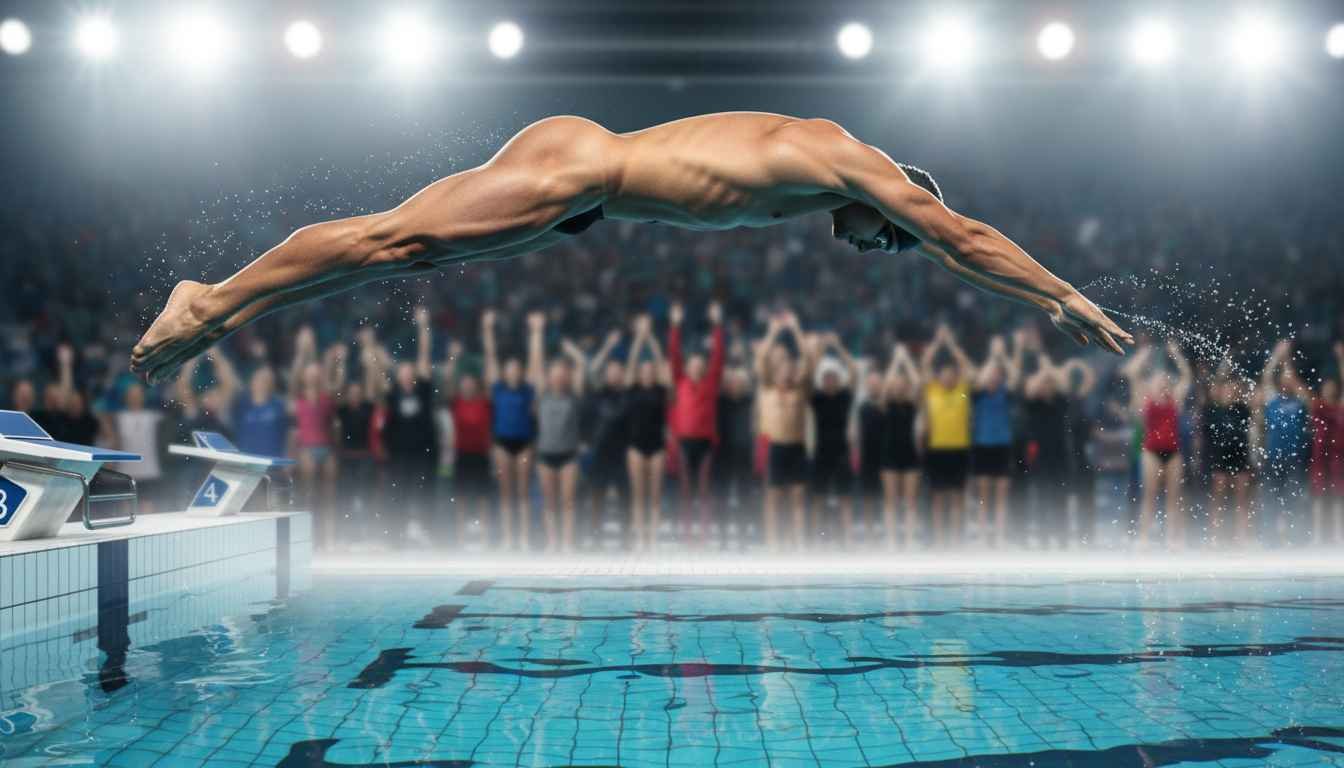
Imagine your car on a racetrack. Is it just moving from point A to B, or is it competing for a trophy? That’s the same question swimming faces. At first glance, splashing through water might seem like a simple activity, a way to cool off or get some exercise. But peel back the layers, and swimming reveals a sophisticated, competitive, and disciplined sport with measurable metrics, strategy, and performance goals.
Swimming blurs the line between activity and sport because it serves both purposes. Recreational swimmers enjoy it for cardiovascular health, stress relief, and full-body toning. Competitive swimmers, however, train with the precision of engineers, optimizing stroke efficiency, turns, and breathing techniques. According to Dr. Jenna Collins, a sports physiologist at the University of Illinois, “Swimming requires the coordination of multiple muscle groups, anaerobic endurance, and mental discipline, which elevates it from mere activity to structured sport.”
From a business perspective, gyms and fitness centers in Chicago, like Lakeshore Sport & Fitness, position swimming as both an accessible activity and a high-performance sport. Offering lap pools, timed swim sessions, and lessons designed for skill improvement, these facilities cater to a broad audience – families looking for fun and elite athletes training for competitions.
Business Model Canvas Lens: Swimming as a Sport
Key Partners: Swimwear brands, pool maintenance companies, certified instructors.
Key Activities: Training sessions, competitions, technique workshops.
Value Proposition: Combines health, skill development, and competitive achievement.
Customer Segments: Recreational swimmers, competitive athletes, fitness enthusiasts.
Channels: Gyms, swim clubs, online training programs.
Revenue Streams: Memberships, coaching fees, event entry fees.
Did You Know?
The first recorded Olympic swimming competition took place in 1896, and women officially competed in 1912. Swimming has been refined into one of the most measured and technique-driven sports in history.
Potential Drawbacks or Who Should Avoid This?
Swimming is low-impact but not universally risk-free. People with open wounds, severe skin conditions, or certain respiratory issues should avoid intensive swimming. Overtraining without proper technique can lead to shoulder injuries, commonly known as “swimmer’s shoulder.” Even recreational swimmers must respect water safety and personal limits.
In conclusion, swimming is both a sport and an activity. It offers a unique dual identity, delivering leisure, fitness, and competition. Whether you’re gliding laps for stress relief or shaving seconds off your 100-meter freestyle, it’s a structured, efficient way to maximize your body’s potential.