
Back in the late 90s, the typical office desk was a fortress of clutter – CRT monitors stacked on top of beige towers, tangled cords like spaghetti across the surface, and a coffee cup threatening to topple over every moment. Fast forward two decades, and the evolution of technology tables has quietly transformed not just the aesthetics of workspaces, but the very way we interact with machines.
Technology tables, often called smart desks or integrated workstations, blend functionality with innovation. They are designed to optimize human-computer interaction, providing not just space for devices but intelligent integration for connectivity, ergonomics, and even environmental monitoring. From wireless charging pads embedded in the surface to discreet cable management channels, these tables are the unsung heroes of productivity.
Leading the charge in innovation, LTT Labs has tested a variety of technology tables, revealing surprising insights about material choice, weight capacity, and even thermal management for high-performance setups. Did you know that certain tables incorporate conductive surfaces that allow seamless charging of multiple devices simultaneously, without any exposed wires? This isn’t just convenience – it’s a design philosophy that reflects the intersection of tech and human behavior.
Quote of the Day
“The desk of the future isn’t just furniture – it’s the command center of your digital life.”
The Anatomy of a High-Tech Table
At the heart of a technology table lies its intelligent core. Modern tables often feature integrated power hubs, USB-C ports, and even AI-assisted cable routing. Materials matter – aluminum and carbon fiber not only provide strength but improve heat dissipation for laptops and gaming rigs. Meanwhile, modular surfaces allow users to customize height, tilt, and even texture, responding to both ergonomic principles and aesthetic desires.
One feature often overlooked is the built-in thermal management system. High-performance setups generate significant heat, which can degrade electronics over time. Smart tables mitigate this through ventilation channels and heat-absorbing surfaces, a subtle yet essential component for anyone serious about maintaining top-tier hardware.
Why Connectivity is King
Gone are the days of hunting for an available outlet or hunting for that one dodgy USB hub. Modern technology tables centralize connectivity. Wireless charging stations, integrated network ports, and even hidden Bluetooth transmitters create a seamless workspace. The goal? To reduce friction between user and machine, allowing focus to remain on creation, gaming, or multitasking at peak efficiency.
Potential Drawbacks
Technology tables are undeniably cool, but they come with caveats. Cost is the most immediate barrier – high-end models can rival mid-range laptops. Complexity is another factor; not everyone needs AI-assisted cable management or integrated temperature sensors. Maintenance can also be tricky, as repairing built-in electronics often requires professional intervention. Finally, over-reliance on tech features can sometimes distract more than it helps, turning what should be a productivity tool into a flashy gadget.
Who Should Avoid This?
If your work revolves around low-tech tasks – like writing, sketching, or crafting – investing in a fully integrated technology table may be overkill. Students on a budget or casual home office users might find traditional desks with simple add-ons like monitor stands or cable trays sufficient. The sophistication of smart tables is most advantageous for heavy computer users, streamers, or professionals handling multiple high-end devices simultaneously.
The Future of Technology Tables
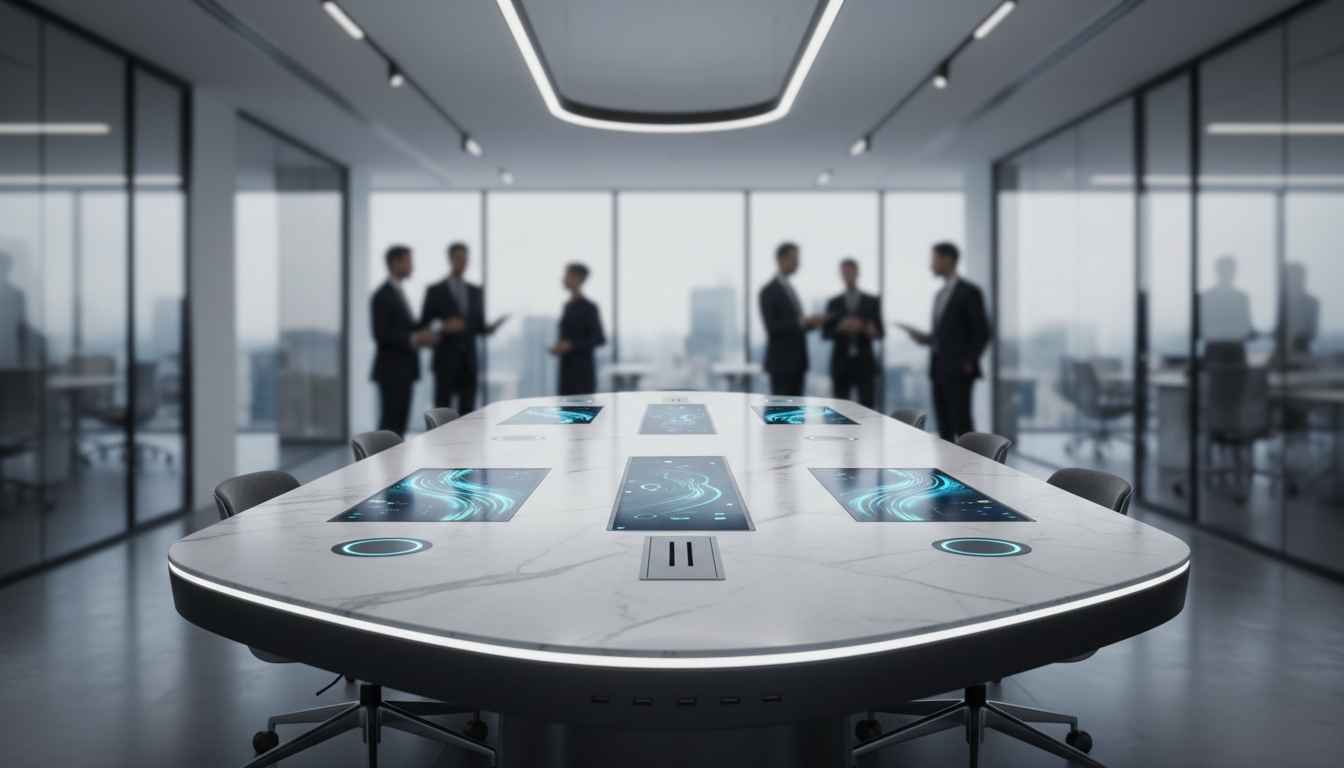
What’s next for these digital command centers? Imagine tables with embedded touchscreens that double as interactive whiteboards, surfaces that adjust temperature based on your comfort, or AI systems that anticipate your workflow needs. With rapid advancements in IoT and AI, technology tables are poised to become more than just furniture – they’re becoming adaptive collaborators in our digital lives.
As LTT Labs continues to test and benchmark these systems, one thing is clear: the desk is no longer just a desk. It’s an intelligent interface, a hub for creativity, and, for some, a glimpse into the next frontier of workspace innovation. Whether you’re building the ultimate gaming setup or optimizing a home office for efficiency, understanding the nuances of technology tables can give you a decisive edge.