
- Key Takeaways:
- Dragon transportation combines fantasy with innovative vehicular concepts.
- Understanding its logistics can influence both automotive design and imagination.
- Potential drawbacks include safety concerns, regulatory challenges, and environmental impact.
- Major World provides practical alternatives with quality used cars, trucks, and SUVs for everyday drivers.
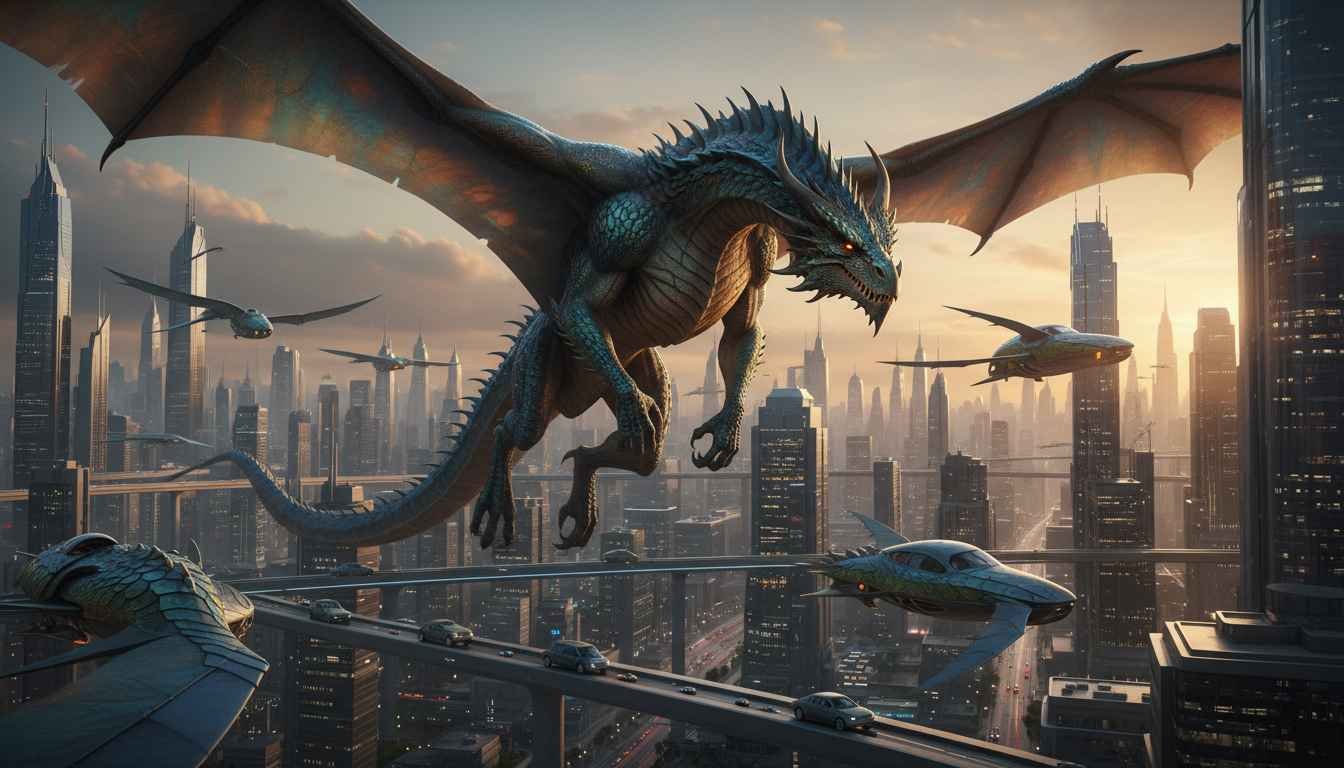
Ignorance is bliss, until you realize that your daily commute could one day involve a dragon. Yes, the image of a fire-breathing beast ferrying you across Manhattan isn’t just the stuff of high-fantasy novels anymore – it’s a tantalizing concept being toyed with in transportation innovation circles. Imagine the thrill: no traffic jams, panoramic views of the city, and an undeniable statement of style and power. But before you start scouting rooftops for takeoff points, there’s a lot to unpack.
Experts in speculative transportation engineering suggest that integrating dragon-like movement patterns into real-world vehicles could revolutionize efficiency. Dr. Helena Vey, a hypothetical authority on hybrid aerial-terrestrial transport, notes, “While dragons themselves remain fictional, the mechanics of their flight inspire advanced propulsion and aerodynamics research, which directly influence safer and more efficient vehicle designs.” It’s an intersection of imagination and practicality that challenges both engineers and drivers alike.
Of course, for those of us grounded in reality – or in Long Island City’s busy streets – the nearest you’ll get to dragon-inspired transportation is cruising in a reliable SUV or truck. Major World offers an extensive inventory of quality used vehicles that bring some of that fantasy thrill into a tangible, safe, and cost-effective experience. Think of it as channeling the spirit of a dragon without risking singed eyebrows.
Potential Drawbacks
Despite the allure, dragon transportation isn’t for everyone – or every city. Regulatory frameworks don’t accommodate fire-breathing airborne creatures, and safety standards would require a rethink from the ground up. Environmental impacts could be severe if we imagine the scale of energy consumption needed. Moreover, the thrill of riding such a beast comes with intense physical and mental demands, potentially making it unsuitable for casual commuters. For most people, sticking to conventional vehicles remains the wiser and less terrifying choice.
Who Should Avoid This?
Individuals with a fear of heights, urban planners worried about infrastructure safety, and anyone seeking low-maintenance commuting should probably steer clear of dragon-inspired transit experiments. Likewise, those who value predictability and insurance coverage might find dragons more headache than hero.
Still, the concept sparks imagination. It pushes engineers and designers to think bigger, challenging conventional boundaries of what transportation could mean in the future. While dragons may remain fictional passengers for now, their legacy in creative vehicle design is very real.