
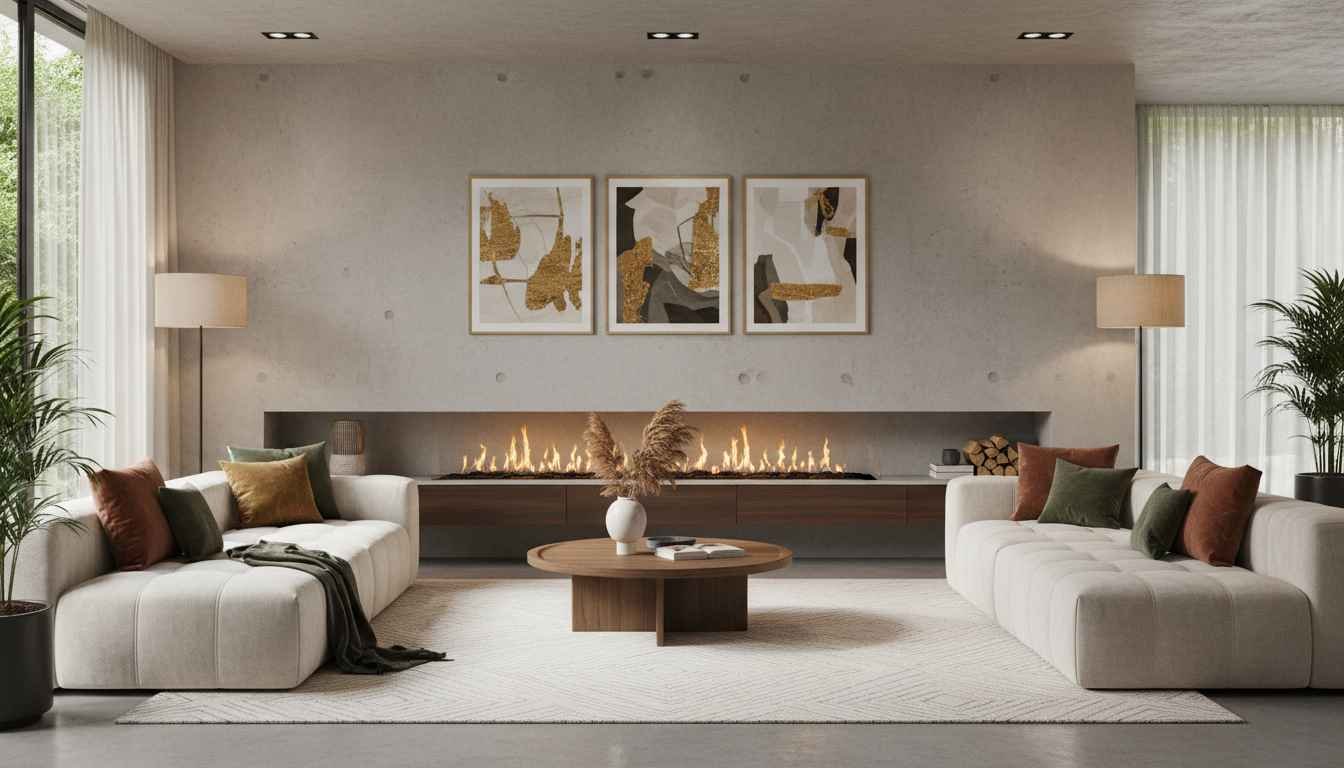
Walk into a home that feels elegant and you notice it before you can name it: the light is soft, nothing is fighting for attention, and the room feels calm rather than crowded. Elegance in a home is rarely about expensive objects. It is about harmony — colours, textures and light working together, and every item earning its place. Whether you are refreshing one room or planning a larger update, the principles below will help you create warmth and poise without turning your home into a showroom.
Start With Light, Not Objects
Lighting changes a room more than almost any purchase. Harsh overhead light flattens a space; layered light gives it depth. Aim for three layers where possible: general light for the room, task light for reading or cooking, and accent light — a lamp, a picture light, a candle-safe glow — that draws the eye to something pleasant. Warm-toned bulbs generally suit living spaces better than cold white ones, and dimmers let one room serve both a lively evening and a quiet night in.
Natural light matters just as much. Clean windows, light curtains that can be drawn fully back, and mirrors placed to reflect daylight rather than clutter will make a room feel larger and calmer. If a room feels dark despite a good window, the problem is often heavy curtains or dark furniture blocking the light path, not the room itself.
Window Treatments: The Frame for the Room
Windows are the frame of a room, and their treatments set the tone. Well-fitted curtains, blinds or shutters that suit the window’s proportions look intentional; treatments that are too short, too narrow or mismatched across a room look unfinished even when everything else is right. Choose fabrics and finishes that complement the room’s colours rather than competing with them, and make sure treatments can actually be opened and closed easily — a beautiful blind that is never adjusted because it sticks is not serving the room.
Window coverings also do practical work: managing glare, giving privacy and helping with insulation. For ideas on choosing treatments that balance style with everyday use, Lafayette Window Fashions covers how window fashions can transform a home with elegance and style, from fabric choice to fit.
Warmth: Fireplaces, Heating and Outdoor Living
Warmth, literal and visual, is central to an elegant home. A fireplace — traditional, electric or ventless — can anchor a living room, but each type has practical requirements that must come first. Ventless fireplaces in particular need careful attention: follow the manufacturer’s installation and ventilation instructions exactly, observe local building codes and clearance requirements, and make sure carbon monoxide alarms are installed and working where fuel-burning appliances are used. If you are unsure about any requirement, have the installation checked by a qualified professional rather than guessing.
The same care applies outdoors. Fire pits and patio heaters extend a garden into the evening, but placement matters: keep open flames well away from structures, overhangs and dry vegetation, on a stable non-combustible surface, and never leave them unattended. An elegant outdoor space is one you can actually relax in, not one that needs constant worry. Choose one or two outdoor pieces that suit the space — a fire pit with seating, or a heater over a dining area — rather than filling every corner.
Flow, Decluttering and Choosing What Stays
Elegance depends on what you remove as much as what you add. Walk through each room and notice where movement catches: a chair that blocks a path, a table too large for its space, or surfaces covered so thickly that nothing stands out. Removing one oversized piece often improves a room more than adding three decorative ones. Keep surfaces mostly clear, group the objects you love rather than scattering them, and give each room one focal point — a fireplace, a piece of art, a view — instead of several competing ones.
Colour discipline helps too. A palette of two or three main colours with one accent, repeated across rooms, feels cohesive; a different bold colour in every room feels restless. You do not need to repaint everything: cushions, throws, rugs and art can carry a palette while walls stay neutral. Texture does the rest — wood, linen, wool and stone add warmth that flat, glossy surfaces alone cannot.
When to Call a Professional
Some improvements reward professional help, and knowing which ones saves money in the long run. Electrical work, gas appliances, structural changes and major plumbing should always be handled by qualified tradespeople, both for safety and for insurance and resale reasons. For broader home upkeep and smaller improvement projects, a reliable local home service can handle the jobs that sit between DIY and a full renovation: repairs, installations and maintenance that keep the home in good condition. Cygnus Home Service is one such home-service option covering a range of everyday home needs.
Before hiring anyone, get the scope in writing, confirm what is included, and check reviews or references. A clear written quote protects both sides and prevents the most common home-improvement frustration: a job that grows, in price and duration, beyond what was agreed.
Spending Where It Shows — and Where It Does Not
Not every improvement repays equally, and elegance is not the same as expense. Money spent on lighting, window treatments, paint and good-quality textiles usually shows immediately and costs relatively little. Money spent on a single luxury item in an otherwise neglected room usually does not: the room still reads as unfinished. Prioritise in this order: fix what is broken or unsafe, improve light and flow, then add the decorative pieces you love.
If your budget is tight, phase the work. One finished room beats five half-finished ones, and living with a finished room teaches you what you actually want in the next one. Minimalists, in particular, should resist the pressure to fill space: an elegant home can be spare, provided what remains is well chosen, well lit and well kept.
FAQ
- What makes a home look elegant without spending a lot?
Layered, warm lighting, a consistent colour palette, well-fitted window treatments, clear surfaces and one focal point per room. These cost far less than luxury furniture and change how a room feels more.
- Are ventless fireplaces safe?
They can be, when installed and used exactly as the manufacturer instructs and in line with local codes, with working carbon monoxide alarms. If you are unsure about ventilation, clearance or fuel type, get professional advice before use.
- How do I make a small home feel elegant rather than cramped?
Keep furniture proportional to the room, use light colours and mirrors to reflect daylight, keep one clear path through each room, and resist filling every surface. Fewer, better-chosen pieces read as more elegant than many small ones.
Final Thoughts
Elegant home improvements are less like a shopping list and more like editing: choose light first, frame the room well, add warmth safely, and remove what does not earn its place. Done in that order, even modest changes make a home feel poised and welcoming — a place that is beautiful to look at and genuinely comfortable to live in.