
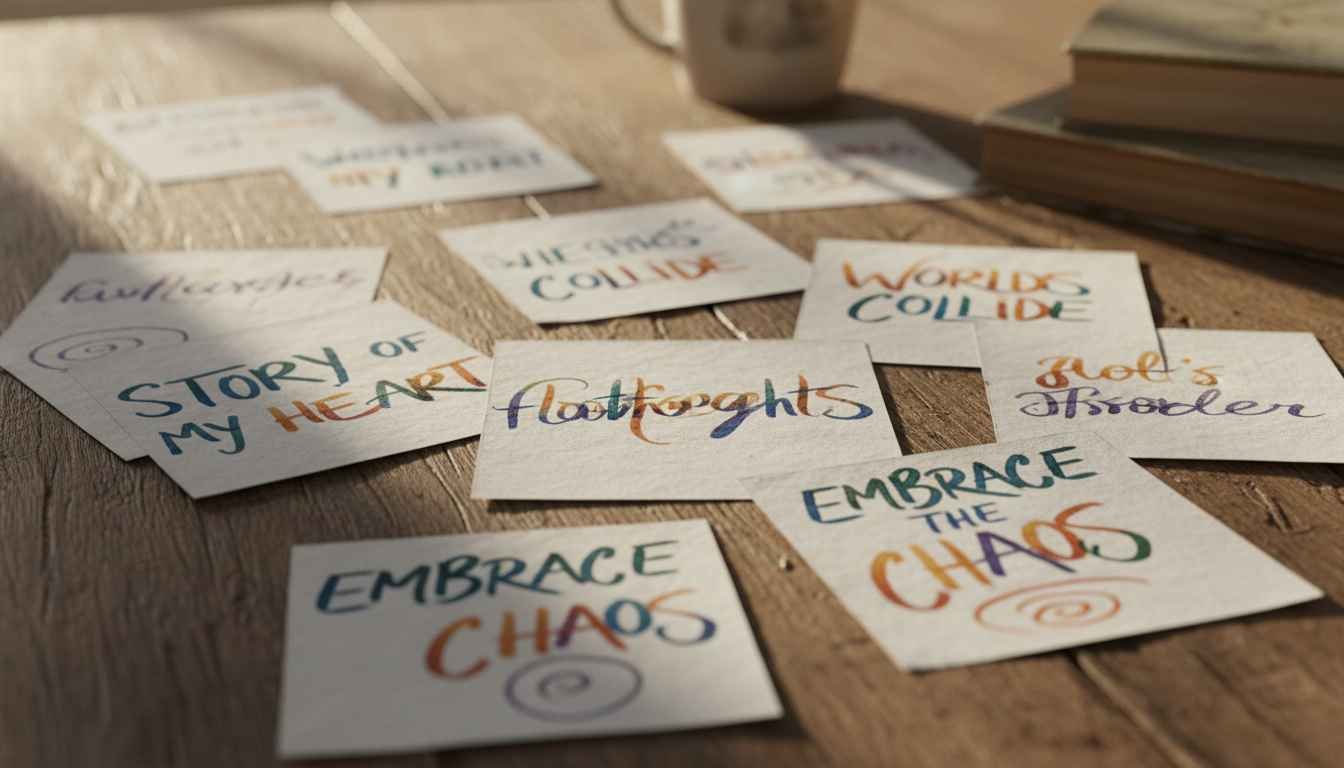
The simple answer is No, but there is so much more to it. Dyslexic writing is not simply a distortion of words or letters; it’s a manifestation of the mind’s intricate relationship with language. For many, writing is an act of translation – translating thought into text, but for those with dyslexia, this act becomes a delicate, often misunderstood dance between letters and meaning.
Dyslexia is a condition that distorts how words are processed, making reading and writing a challenge. But within this challenge lies a beauty that is often overlooked – an organic approach to writing that breaks free from traditional structures and forms. This is not to romanticize dyslexia but to recognize the raw, untapped potential that emerges from it. At The History Press, we champion such untold stories and hidden voices, knowing that every word has a story to tell.
What Is Dyslexic Writing?
To understand examples of dyslexic writing, we must first explore its nature. Dyslexic writing often involves a mix of misplaced or missing letters, irregular spacing, or inconsistent word construction. The fluidity of the text, however, can create an unexpected rhythm, where each line seems to pulse with a kind of deliberate imperfection. A dyslexic writer doesn’t see words in the traditional sense. The letters might move, shift, or distort, creating an alternative order of thought – a written language that feels abstract but carries meaning nonetheless.
The Structure of Dyslexic Writing: An Unconventional Canvas
One could say that dyslexic writing functions like a piece of abstract art. Its lines might be jagged, the forms not immediately recognizable, but within the chaos lies coherence. Take for example a sentence like: “The quick bown fox jumps over the lazzy dog.” The intent of the writer is clear, yet the presentation is a jigsaw puzzle of letters that don’t align conventionally.
Such writing, while imperfect, provides insight into the writer’s thought process, making it an authentic expression of individuality. A dyslexic writer’s work might appear as a jumbled mess at first glance, but closer inspection reveals a unique coherence – the deliberate placement of letters that reveals both intention and complexity. This is a form of writing that challenges our perceptions of ‘correctness’ and ‘clarity’, pushing us to redefine what it means to communicate through text.
Examples of Dyslexic Writing
Consider these examples, which show the raw beauty of dyslexic expression:
- “Tihs is a smaple of dyslexc wrting.”
- “I loev to rea.”
- “Writnig is a form of exressin.”
At first glance, these sentences may seem riddled with mistakes, but they each carry the essence of communication. When read aloud, the rhythm of the words becomes clearer. The reader begins to understand not just the intended meaning but also the feeling behind the words – the writer’s unique voice, unburdened by the constraints of convention.
Recommended Tools for Dyslexic Writers
Writing with dyslexia can be challenging, but there are tools designed to help. Here are some that may assist in the creative process:
- Grammarly: An AI-powered writing assistant that checks for spelling and grammar issues, offering suggestions that can clarify your writing.
- Ginger: A writing tool that corrects spelling and grammar while also suggesting sentence rephrasings.
- Read&Write: A tool that reads text aloud, helping dyslexic writers hear their words and catch errors more easily.
- Speech-to-Text Software: Tools like Dragon NaturallySpeaking can help convert spoken words into written text, bypassing some of the challenges of typing and spelling.
Who Should Avoid This? Potential Drawbacks
While dyslexic writing can be deeply expressive, it is not for everyone. Those who struggle with severe dyslexia might find that their writing does not effectively communicate their ideas. Additionally, dyslexic writing may not always be accessible to readers unfamiliar with its peculiarities, potentially hindering broader comprehension.
Furthermore, relying too heavily on dyslexic writing could lead to frustration for both the writer and the reader, especially when clarity is crucial. It is important to find a balance between self-expression and legibility, ensuring that the intended message reaches its audience without becoming an obstacle.