
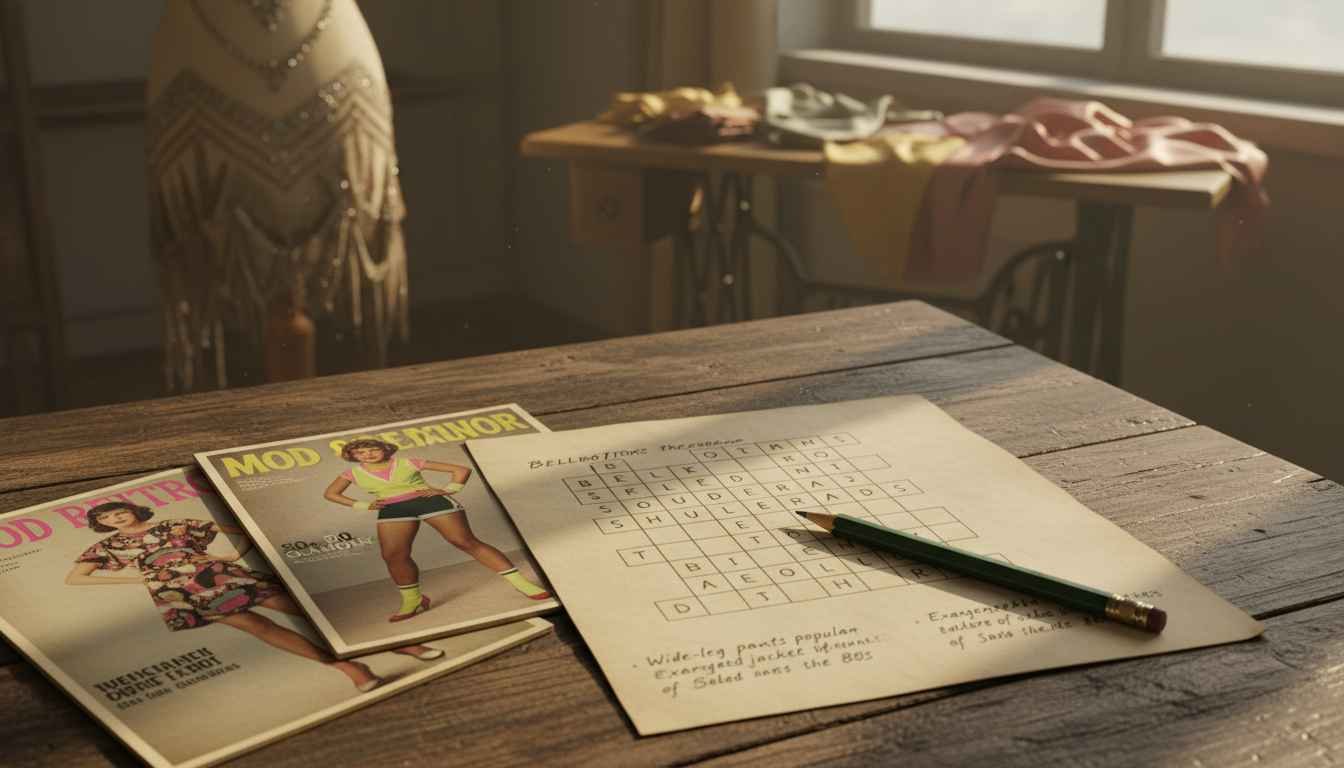
Fashion is a constantly evolving force, influencing how we perceive ourselves, how we interact with the world, and how we express our personalities. However, even the most iconic trends eventually fade into oblivion, becoming a mere echo of what they once were. The phrase “no longer fashionable crossword” perfectly encapsulates this phenomenon – the inevitable demise of once-popular styles that fall out of favor. But why does this happen? And what lessons can we learn from these shifts? Let’s explore the cycle of fashion trends that no longer reign supreme, why they fade, and how to avoid them.
What Does “No Longer Fashionable” Really Mean?
When something is described as “no longer fashionable,” it’s often associated with an abrupt shift in style preferences. This term can describe everything from a particular clothing item to an entire cultural or aesthetic movement. The fashion industry is notorious for its rapid pace, where today’s hottest trend can quickly become tomorrow’s outdated choice. The word “crossword” in this context is a metaphor for the complexity and unpredictability of style cycles, which often appear cryptic and hard to predict. A style that was once a must-have may now be considered passé, often due to societal or cultural shifts that reshape our ideals of beauty, comfort, and practicality.
It’s not always about a specific item falling out of favor. Sometimes, it’s the values behind those trends – whether it’s an aesthetic preference or a deeper cultural moment – that makes them feel out of place. What’s considered “in” today may not be as relevant tomorrow, making the concept of being “no longer fashionable” fluid and ever-changing.
The Science Behind Fashion Trends: Why They Ebb and Flow
The rise and fall of fashion trends are not random but are influenced by complex social, economic, and technological factors. Often, trends are born from creative bursts in fashion capitals like Paris, Milan, or New York. These bursts of innovation might reflect the mood of the times, whether it’s a post-war revival of classic styles, a 1960s embrace of counterculture, or the 1990s obsession with minimalism. However, just as quickly as they arrive, these styles can start to feel stale.
One reason for this is the “diffusion of innovation” theory. According to this concept, once a fashion trend reaches the mainstream, it begins to lose its appeal. The exclusivity that made it desirable in the first place diminishes when too many people adopt it. What was once chic becomes overly commercialized, making it appear out of touch with the cutting-edge style. In essence, the fashion world thrives on novelty – on constant reinvention. That’s why, when a trend becomes ubiquitous, it’s often labeled as “no longer fashionable,” pushing forward the cycle of innovation and creative expression.
From High Fashion to Low Fashion: The Decline of Trendiness
It’s important to recognize that being “no longer fashionable” isn’t necessarily a negative thing. Trends that once graced high fashion runways may eventually find their place in streetwear or become nostalgic choices for vintage lovers. For example, denim jackets, once a hallmark of casual fashion, are now ubiquitous, even though they might not command the same level of excitement they once did in the fashion world. The trick lies in the cultural perception of these styles – once a high-fashion statement, they become a casual staple, not because they’ve lost their charm, but because their context has changed.
The decline of a trend isn’t just about the item itself; it’s also about the audience it appeals to. What was once a bold statement in the fashion world may become a comfortable, everyday choice for others. Fashion’s constantly evolving tastes shape what we perceive as “fashionable” and what we no longer consider relevant. This shift makes the “no longer fashionable crossword” a puzzle to solve for those trying to stay ahead in the style game.
Common Fashion Mistakes: How Not to Fall Into the “No Longer Fashionable” Trap
Many fashion enthusiasts have made the mistake of investing heavily in a trend only to find that it’s quickly out of style. The fear of being caught in a cycle of outdated trends can lead to stress, especially for those who want to maintain a contemporary look. So how can we avoid falling victim to the dreaded “no longer fashionable” label? Here are a few key pointers:
1. Don’t follow every trend. Just because a trend is trending doesn’t mean it’s meant for you. It’s essential to consider whether the trend aligns with your personal style or if it’s just a fleeting moment in the larger fashion cycle.
2. Invest in timeless pieces. Pieces that never truly go out of style, such as a classic trench coat or a tailored blazer, are always in fashion. These items serve as the backbone of your wardrobe and can be paired with seasonal trends without ever looking outdated.
3. Stay true to your style. While it’s tempting to chase every new trend, your personal style is what will keep you looking fresh and confident. By understanding your tastes and preferences, you can avoid following every passing trend and stay above the fray of “no longer fashionable” territory.
What’s Next? Embracing Future Fashion Trends Before They Go Mainstream
The key to not being left behind in the world of fashion is to be ahead of the curve. While it’s impossible to predict exactly which trends will rise to prominence, a sharp eye for emerging styles can give you an edge. Consider observing fashion weeks, street style blogs, and influencer culture. Often, the trends that are popular on the streets of major cities or among celebrities will trickle down into mainstream fashion. But the real trick is spotting them before they reach saturation point – this is where the idea of being “no longer fashionable” becomes more about timing than anything else.
It’s also important to recognize that fashion today is no longer just about clothing. Accessories, footwear, and even hairstyles play a significant role in shaping a person’s overall look. Staying aware of these elements can give you the upper hand in cultivating a unique, stylish persona that doesn’t easily fade away with the seasons.
How to Revive a “No Longer Fashionable” Trend
Just because something is “no longer fashionable” doesn’t mean it’s gone for good. Many trends have enjoyed a revival thanks to the cyclical nature of fashion. Take the 1990s grunge aesthetic, for example, or the resurgence of 70s bohemian style. These trends, once deemed outdated, have made a strong comeback in recent years, proving that nothing in fashion is truly permanent. If you’ve got a piece that is considered “no longer fashionable,” it might still have potential – provided you know how to style it in a way that resonates with current tastes.
Consider pairing vintage items with more modern pieces to create a balanced look. By doing this, you can breathe new life into your wardrobe and prevent your clothes from falling into obscurity. Fashion is all about creativity, and even those once-ignored trends can be reinvigorated with the right styling.
Fashion and Sustainability: The Link Between Trends and the Environment
The conversation surrounding “no longer fashionable” trends has grown to include sustainability. As the fashion industry faces increasing scrutiny over its environmental impact, more people are looking to reduce their consumption of fast fashion items – those short-lived trends that quickly go out of style. By choosing pieces that transcend fleeting moments, we can help reduce waste and contribute to a more sustainable future.
Incorporating eco-friendly fabrics, choosing timeless pieces, and upcycling old garments are all ways to keep your fashion choices relevant while reducing your environmental footprint. By making smarter, more conscientious fashion choices, we can avoid contributing to the cycle of trends that constantly leave us with the feeling that something is “no longer fashionable.” Instead, we can build wardrobes that last, both in terms of style and environmental impact.
The Bottom Line: Embrace Fashion with Confidence
The world of fashion is both exhilarating and intimidating, with trends constantly changing and evolving. It’s easy to feel the pressure to stay ahead of the curve, but the true key to success is to approach fashion with confidence. Whether you’re embracing the “no longer fashionable crossword” or reinventing an old trend, it’s important to remember that fashion is about expression. Don’t let the fear of obsolescence stop you from wearing what makes you feel good.
Instead of chasing trends, focus on finding a style that resonates with you. Fashion should empower you, not limit you. By investing in versatile pieces, staying true to your style, and embracing new trends with caution, you can avoid falling into the trap of being “no longer fashionable” and instead create a wardrobe that stands the test of time.
Embrace the functionality and flair of Tactical Vest Fashion, and redefine your adventure attire with this game-changing trend. As you step into the world with confidence, let your vest be a testament to both style and readiness.