
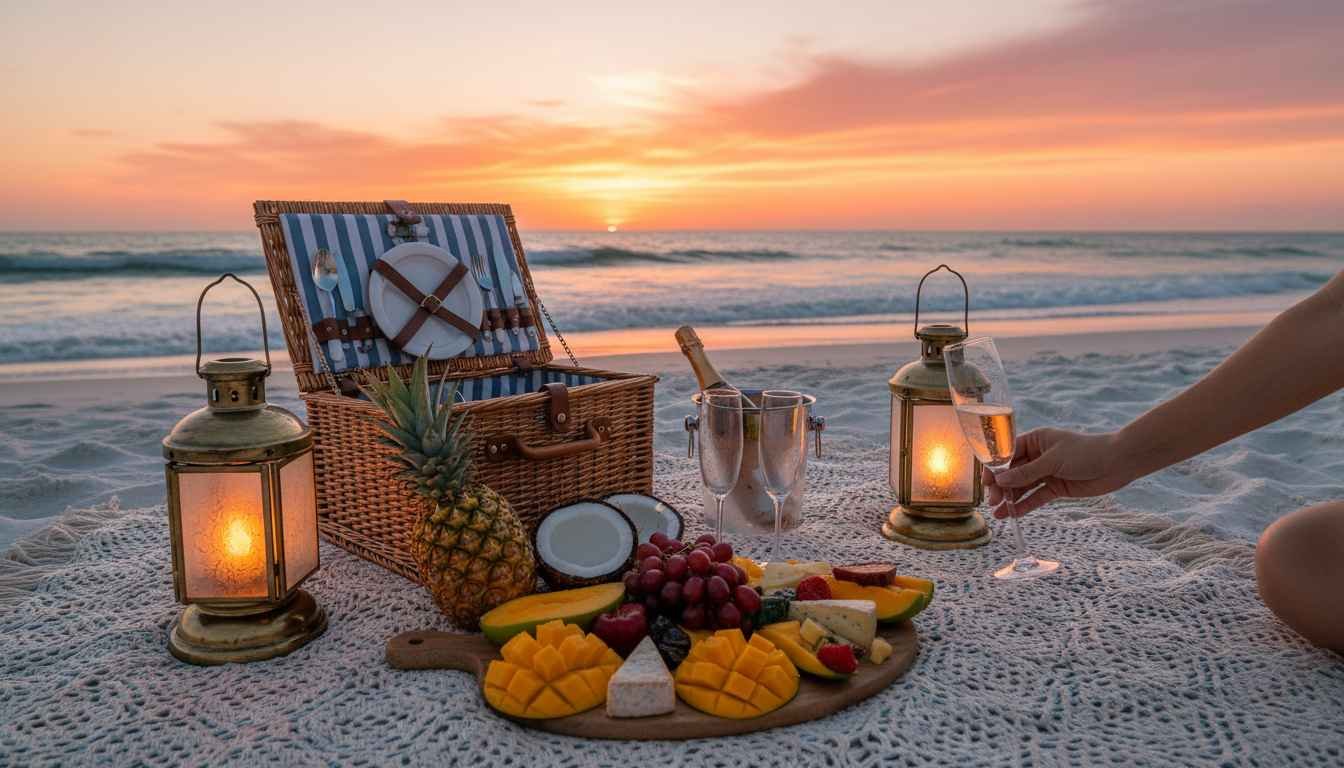
Imagine you and your partner walking barefoot along a quiet beach at sunset, the day’s heat easing off and the water turning gold. Florida is easy to stereotype as theme parks and crowds, but the couples’ version of the state is quieter and more interesting: historic streets, wild wetlands, small beach towns and one remarkable museum. The best trips mix a little of each, at a pace that leaves room for long lunches and unplanned stops.
Romantic Beaches Without the Crowds
Clearwater Beach is popular for a reason — soft sand, calm water and sunsets that draw an evening crowd — but couples who prefer quiet should also look at Siesta Key, whose fine quartz sand and gentler atmosphere make it a favourite for slow days. Anna Maria Island, further south, is smaller and more residential in feel, with low-key restaurants and beaches that never feel frantic. The practical point is simple: Florida’s beaches differ enormously, so choose by mood rather than by fame.
If you are heading further south, Miami and the Keys offer a different coastal rhythm again — see our guide to places to visit in Miami and Key West for how to pair the two without rushing either.
Historic Towns Made for Walking
St. Augustine, founded in 1565, is the oldest continuously occupied European-established settlement in the continental United States, and it still feels like a place rather than a display. Walk the cobbled streets, visit the Castillo de San Marcos fortress, and linger over dinner in a small restaurant rather than trying to tick off every attraction. Key West rewards the same approach: colourful houses, a working harbour, sunset gatherings at Mallory Square, and a literary and maritime history that is best absorbed on foot.
Nature Escapes for Two
The Everglades is not a beach and not a theme park — it is a vast, slow-moving river of grass, and it is best experienced with a guide who can read the landscape. An airboat or kayak trip can bring you close to alligators and wading birds, but keep your distance, follow your guide’s instructions, and remember that this is a wild ecosystem, not a zoo.
Crystal River offers a rarer experience: swimming near manatees in clear spring water. This is heavily regulated for the animals’ protection, so book with a licensed operator, follow the passive-observation rules, and go with realistic expectations — sightings depend on season and on the manatees, not on the schedule.
Something Unexpected: Art in St. Petersburg
The Salvador Dalí Museum in St. Petersburg is the kind of stop that changes a trip’s texture. Even if surrealism is not your usual taste, the building, the gardens and the sheer strangeness of Dalí’s work make for a memorable shared afternoon — and a useful contrast to days spent outdoors. It is also a good wet-weather option, which matters in a state where afternoon rain is common in summer.
Planning a Couples’ Trip That Actually Relaxes You
Florida is a long state, and driving from the Panhandle to the Keys is a full day’s journey, not a day trip. Base yourselves in one or two places and explore from there. Book popular restaurants and manatee tours ahead in high season, but leave afternoons open. Pack light enough to move easily between beach, town and restaurant — our guide on how to pack a carry-on for a week-long trip is useful even for a driving trip, because less luggage means fewer decisions.
FAQ
When is the best time for a couples’ trip to Florida? Late autumn through spring generally brings milder, drier weather, but it is also the busiest period. Summer is hotter and wetter, with afternoon storms, but quieter and often cheaper.
Do couples need a car in Florida? For most itineraries outside central Miami, yes. Public transport between beach towns and parks is limited, and a car gives you the freedom to stop at small towns along the way.
Is Florida good for a low-key honeymoon? Yes, if you choose small towns and quieter beaches over the busiest resorts. The Keys, Anna Maria Island and St. Augustine all suit a slower pace.
Final Thoughts
The most romantic version of Florida is not the loudest one. Choose a beach you can walk in peace, a town you can explore on foot, and one wild or unexpected experience to share — and then protect the empty hours around them. That is where the trip actually happens.